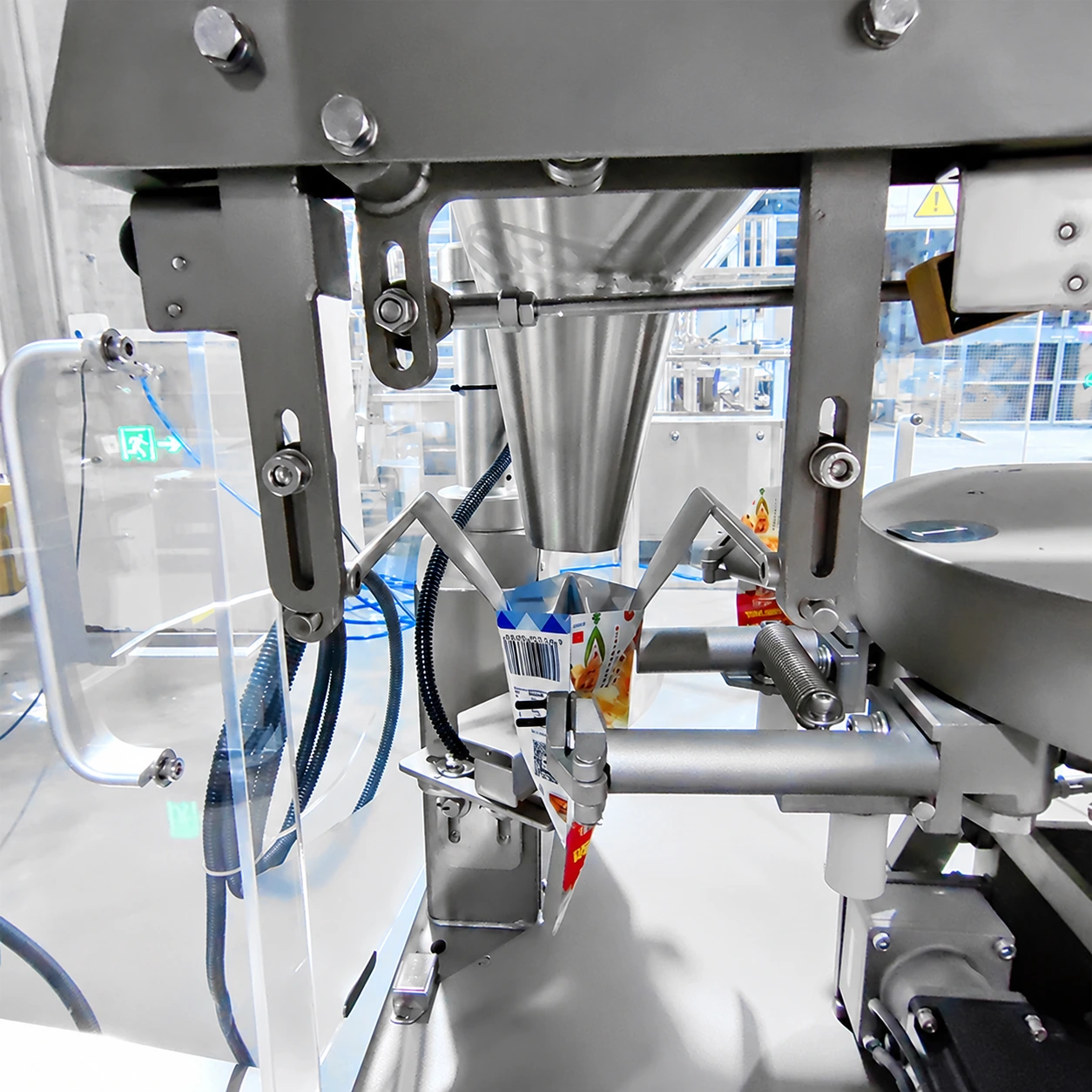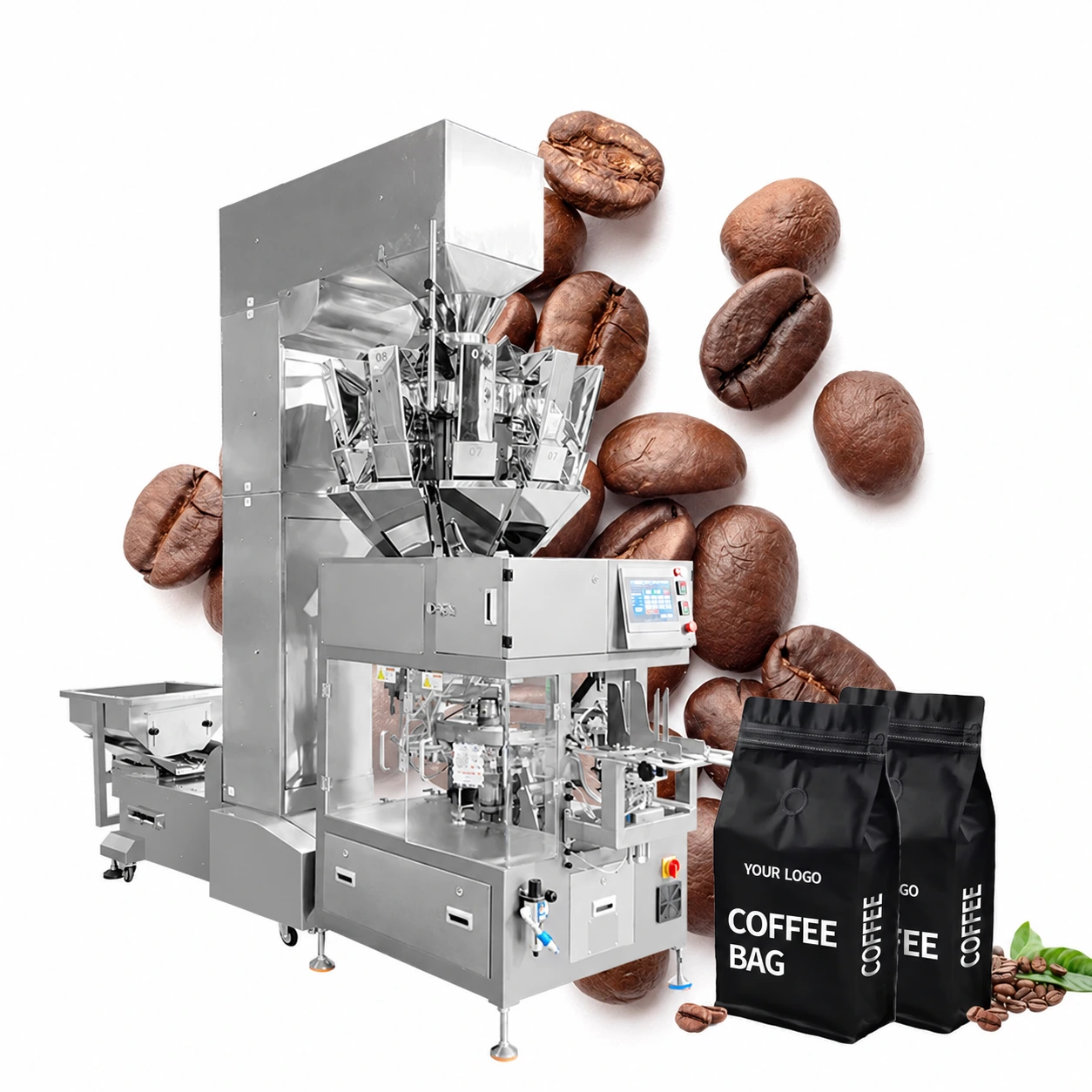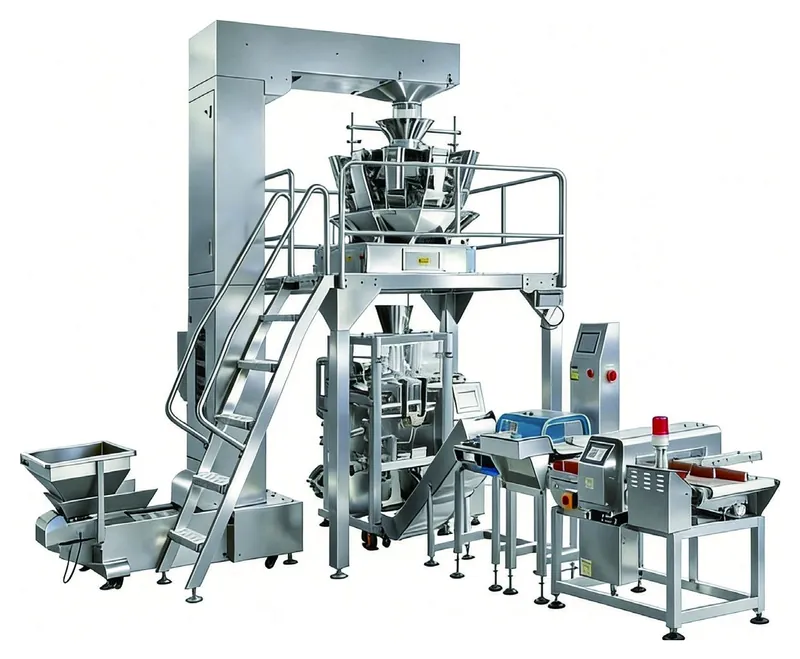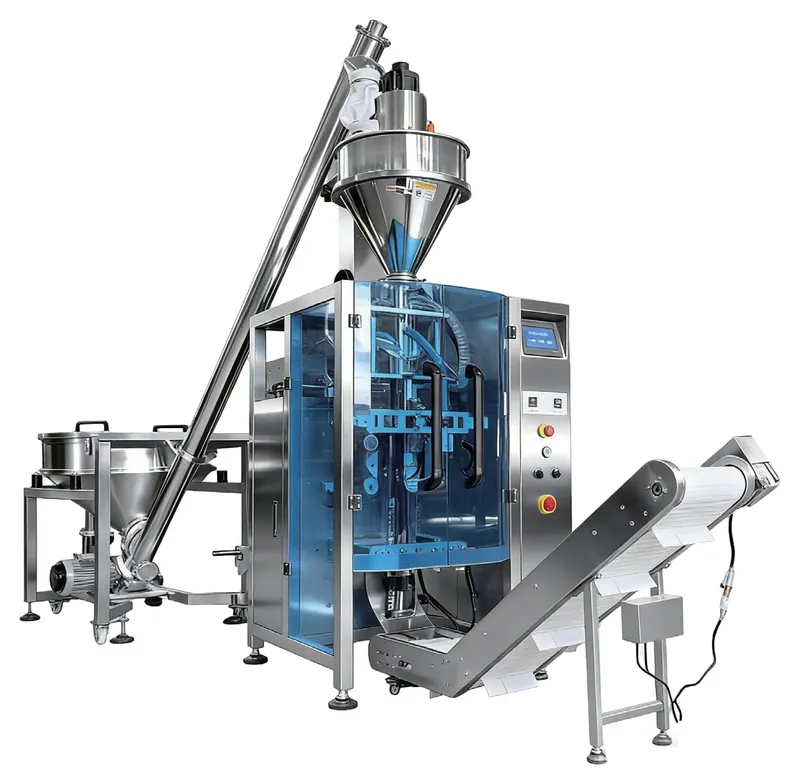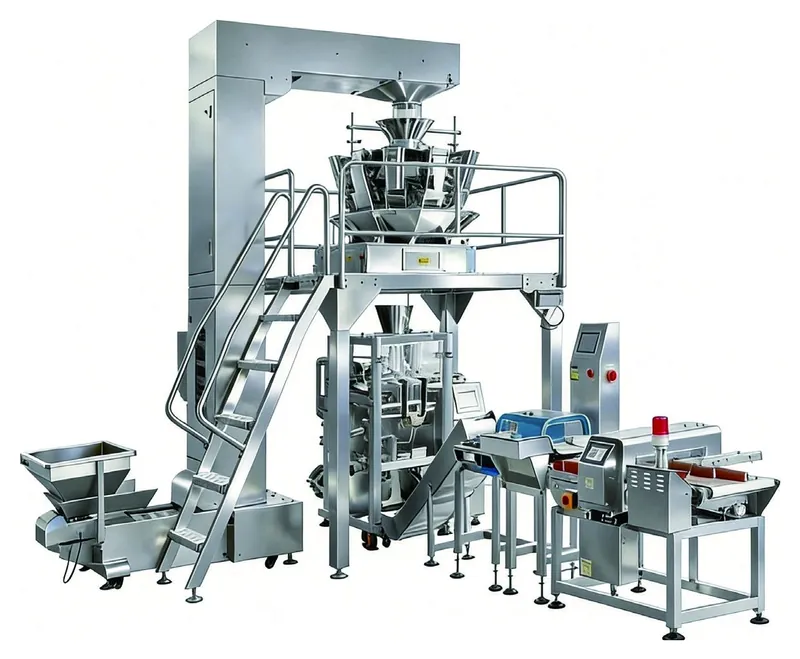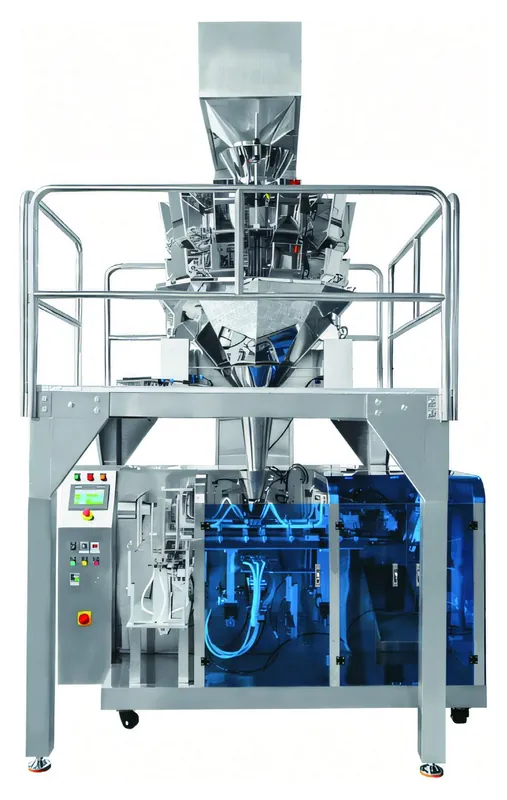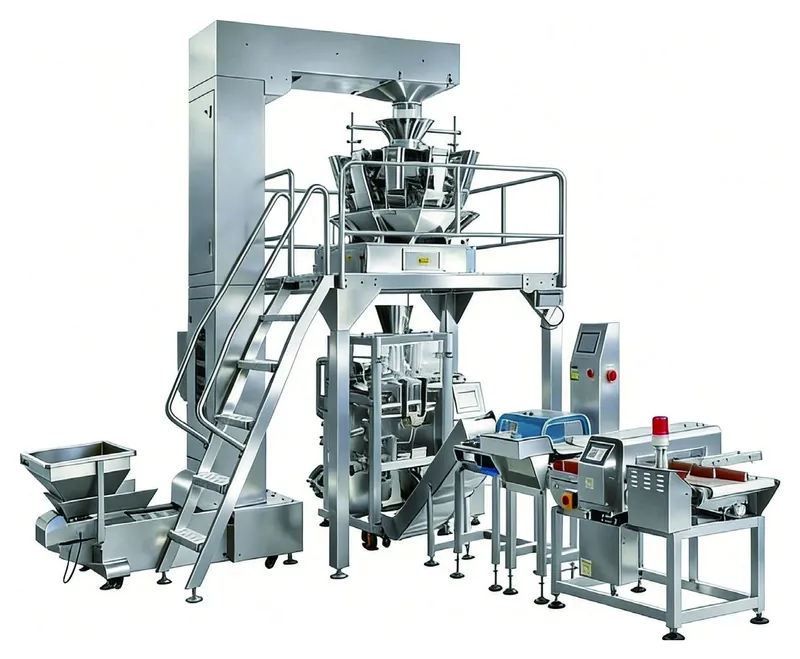
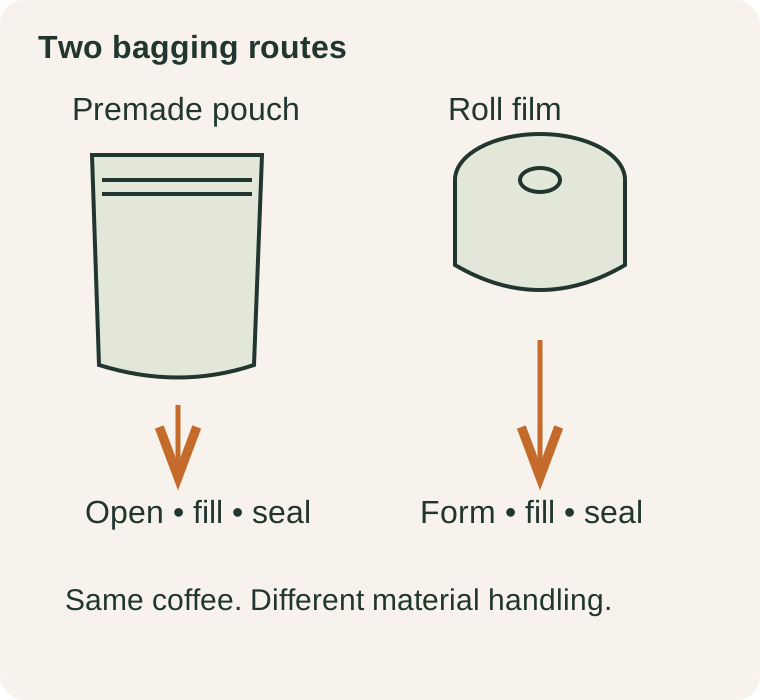
LINEVO configures coffee bagging machines around the bag supply, coffee dose and required closure. For roasted beans, the main automatic routes are a machine that handles ready-made pouches and a vertical machine that forms bags from roll film. Choose the route first; then compare output on the same coffee, weight and bag.
Our coffee packaging machine range also covers powder, sticks and drip coffee. This page focuses on retail bags and whole beans.
Which coffee bagging route fits your business?
| Route | Packaging supply | Application | LINEVO configuration |
|---|---|---|---|
| Premade pouch | Finished empty pouches | Retail packs with a preformed shape, printing and zipper | Pouch retrieval, opening, coffee dosing and top sealing, matched to the pouch construction |
| VFFS | Heat-sealable roll film | Bags formed, filled and sealed in one sequence | Coffee weighing, bag forming and sealing, with the selected valve and gas-flushing options |
Compare the supported automatic routes under premade pouch machines and VFFS coffee bagging.
Whole beans, fill weight and bag style
LINEVO selects the weighing arrangement and bag-handling equipment using your roast, fill weight and finished bag dimensions. Bean size and bulk density determine the space occupied by a dose; the bag also needs clearance for the seal, zipper and valve.
The LV-210 takes pouches 90–210 mm wide and 110–330 mm long. Our team reviews the zipper, gusset and usable opening against the filling path, and selects another machine size for packs outside that envelope.
The LV-210 machine speed is 20–70 bags/min. The separate 500 g / 1 kg valve-bag VFFS configuration runs at 25–50 bags/min, depending on fill weight and valve application. The quotation identifies the configuration and output for your coffee and bag.
Set the required output in good bags
Use required bags/min = coffee kg/h × 1,000 ÷ fill g ÷ 60.
For a planning example, 100 kg/h into 250 g bags requires 100 × 1,000 ÷ 250 ÷ 60 = 6.67 good bags/min. This is the sales requirement before allowing time for replenishment, cleaning, changeovers and rejected bags. Ask for a sustained trial rate with these losses recorded separately.
Weighing, sealing and freshness options
Whole-bean configurations use a weighing arrangement matched to the dose. NIST Handbook 133 provides net-content inspection procedures for packaged goods; it is a reference for planning checks, not a machine accuracy rating. Ground coffee and soluble powders require their own dosing and dust-control review. Specify valve handling and nitrogen flushing as separate functions. Agree seal peel checks under ASTM F88 / F88M and, when required, finished-pack oxygen sampling with the selected barrier material.
Compare the cost per accepted pack, including empty bags or film, product giveaway, rejected packs, cleaning time and the labor still needed to supply material. For upstream feeding and downstream checks, define the interfaces through the coffee packaging line discussion.
Compare a configuration for your coffee
Start with a photo of your coffee and bag, target weights and daily production requirement. LINEVO develops the dosing, bag-handling and closure scope, then discusses any samples needed to settle the configuration. The configuration and quotation page explains what changes the offer; request a bean-bagging configuration with your packaging brief.