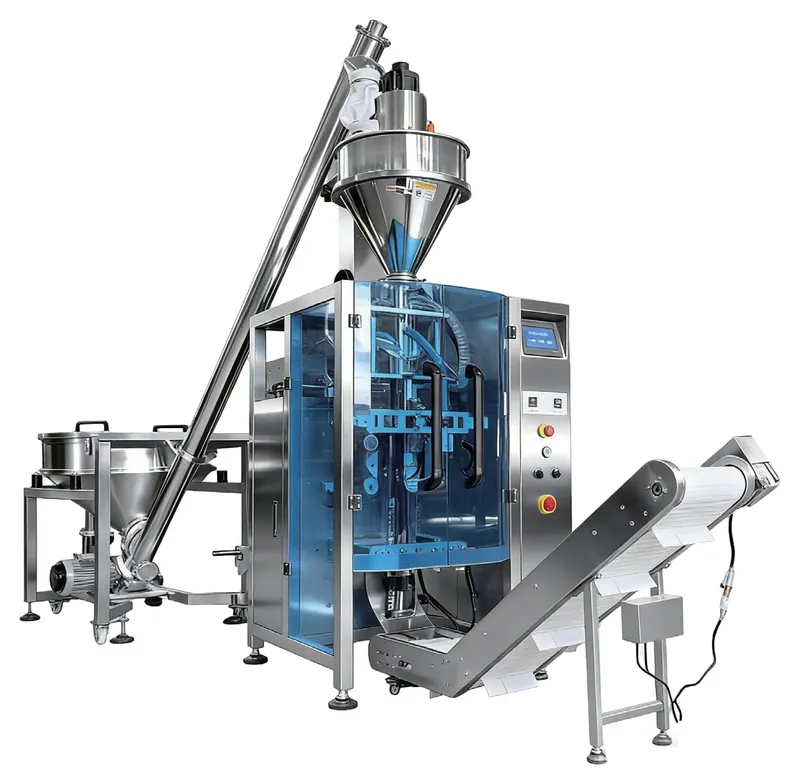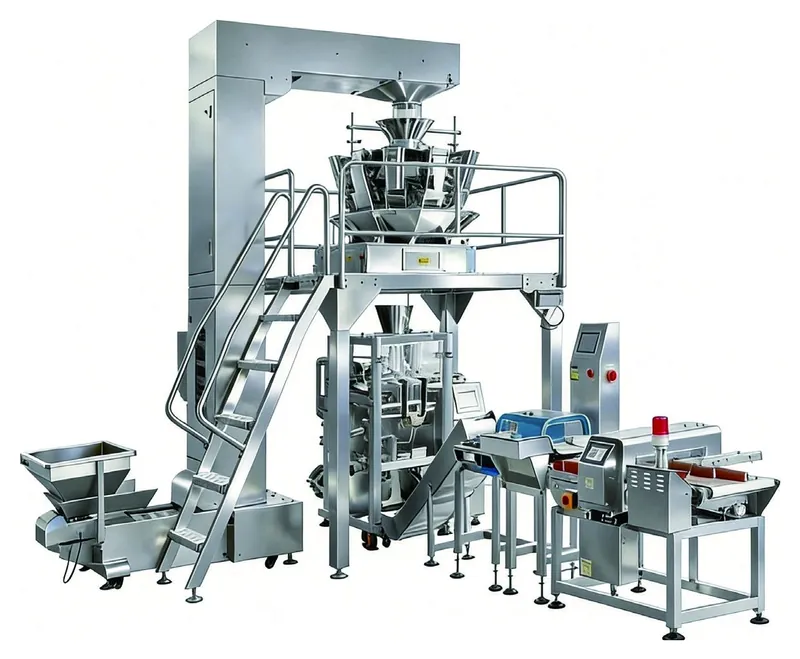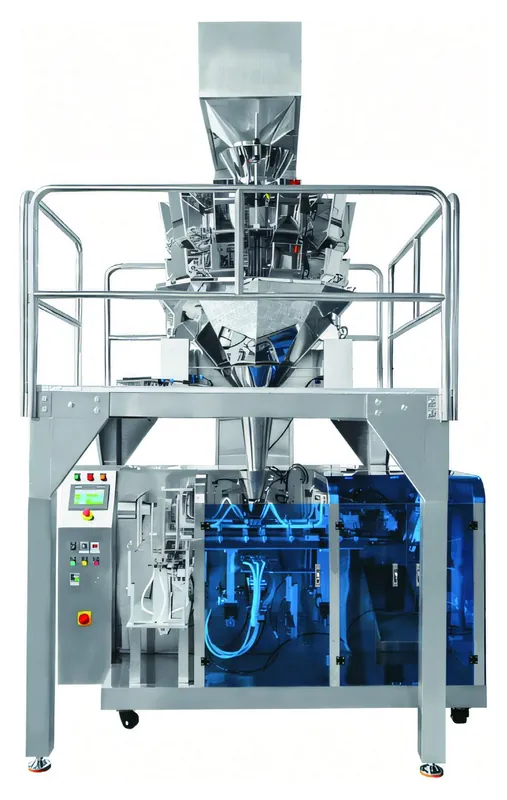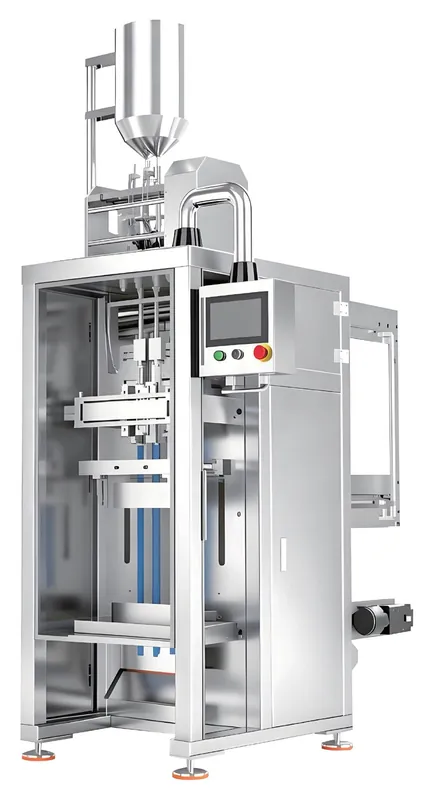
A coffee stick packaging machine forms narrow packs from roll film, doses the product into parallel lanes, then seals and cuts the sticks. LINEVO offers multi-lane configurations for instant coffee powder. For soluble granules and 2-in-1 or 3-in-1 mixes, selection starts with the actual recipe, dose and film sample: the flow and density determine the dosing tooling.
If you are still deciding between retail bags and single portions, compare the coffee packaging routes on our homepage. Larger packs of ground or soluble coffee belong with the coffee powder packaging configurations.
Match the dosing system to your coffee
Send a representative production sample, including any sugar or creamer blend. Report the target net weight, bulk density if known, and whether the powder bridges, separates or sticks during handling. Auger tooling and the refill arrangement need to suit those characteristics. A mix that flows differently between batches can change fill consistency even when the same recipe name appears on the label.
Ground coffee requires a separate application review. Its brewing use, grind distribution and required pack opening differ from soluble coffee; review grind behaviour and the brewing format before approving the stick configuration.
| Selection item | Product or pack details | LINEVO configuration work |
|---|---|---|
| Product and dose | Recipe, density and sample at the intended fill | Select dosing tooling and hopper feeding for the recipe |
| Stick and film | Finished width, length, laminate and seal area | Coordinate filling, film tracking and sealing for the stick dimensions |
| Changeover | All pack sizes and recipes in the order | Identify formers, dosing parts and cleaning access for the planned changes |
Compare the correct series
Each row below describes one machine series. The lane arrangement and stick width must fit the same selected tooling.
| Machine | Cycle or cut rate | Active lanes | Stick width | Stick length |
|---|---|---|---|---|
| Model 400 | 20–50 cycles/min | Specified with tooling | 25–79 mm | 50–180 mm |
| LV-400BF | 20–40 cuts/min | 2–4 | 20–65 mm | 50–150 mm |
| LV-680BF | 20–40 cuts/min | 3–10 | 20–85 mm | 50–150 mm |
| LV-980BF | 20–40 cuts/min | 4–16 | 20–105 mm | 50–150 mm |
For sticks longer than 150 mm, LINEVO reviews the Model 400 format range and tooling. Lane count, stick width and roll width are selected together.
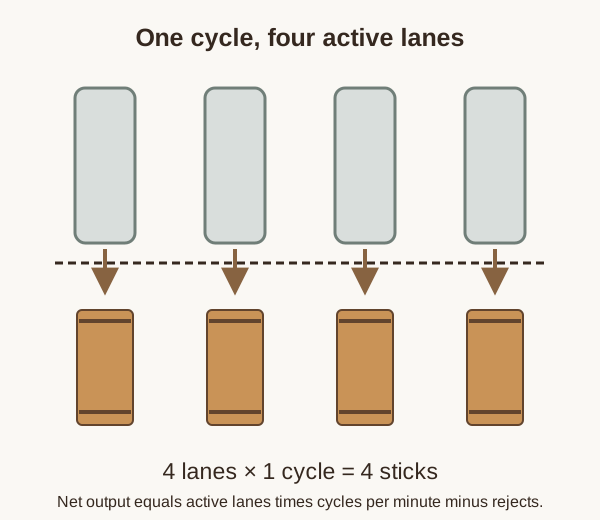
Calculate finished sticks separately from cycles
Theoretical sticks/min = cycles/min × active lanes.
For example, four active lanes at 30 cycles/min give 30 × 4 = 120 theoretical sticks/min. This is an arithmetic planning example within the configuration speed ranges. Saleable output must also account for stops, reduced running speed and rejected packs. Ask for an acceptance run with your powder, stick size and production film, counting complete acceptable sticks at discharge.
Film, dosing checks and downstream scope
Confirm the seal pattern, opening feature, print registration and date-code position on a sample drawing. The trial plan records fill weights and seal results by lane. NIST Handbook 133 and ASTM F88 / F88M provide reference methods for net-content and seal-strength checks; the project plan defines the applicable criteria. Include the product feeder and discharge conveyor in the scope discussion. If sticks will be counted into cartons, agree the count, orientation and transfer method with the packaging line proposal.
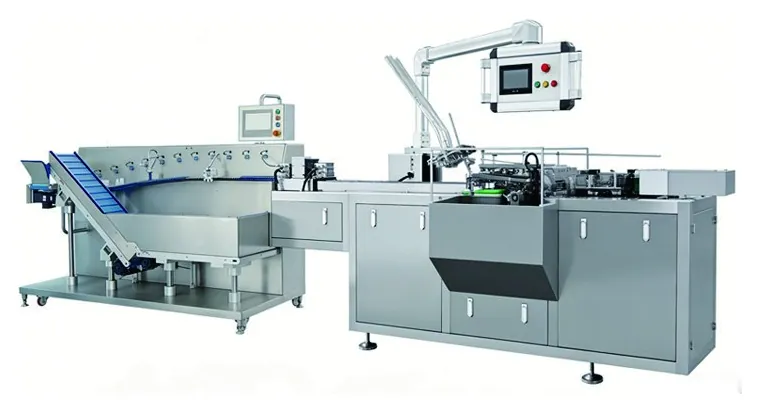
Compare film scrap, product giveaway and cleaning time alongside the machine configuration using the quotation checklist. Send your coffee sample details and target stick format for a configuration review and quotation.