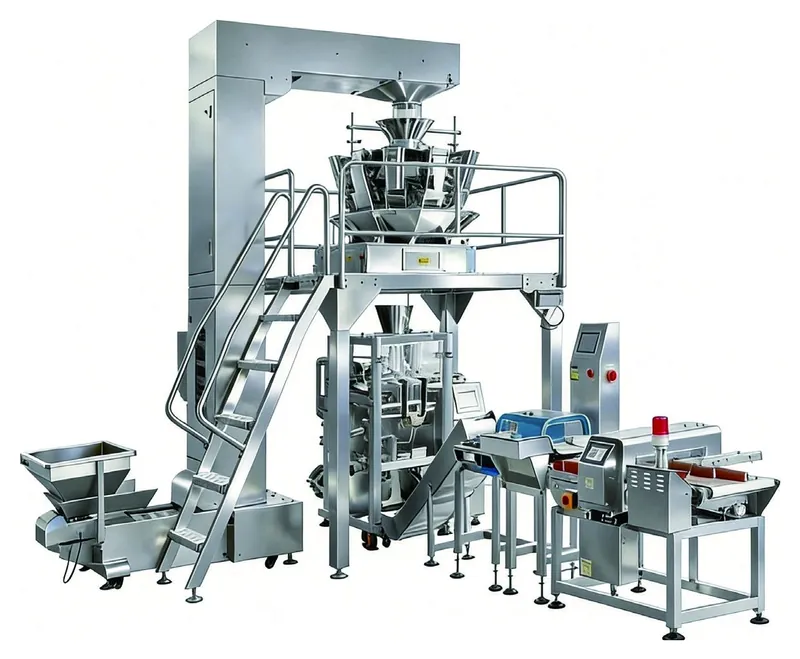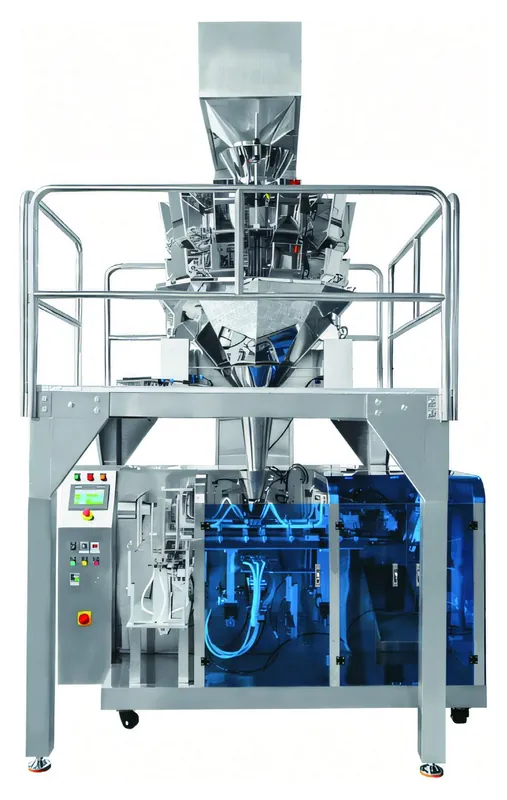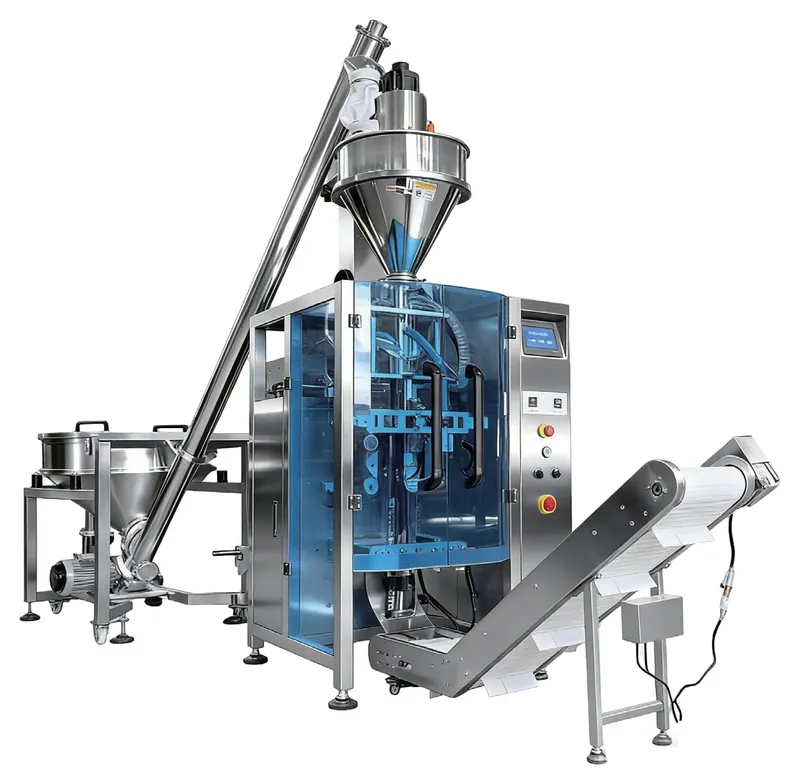
LINEVO coffee powder packaging configurations combine product-matched dosing with control of powder at the sealing area. Ground coffee, soluble coffee and blended powders can behave differently in the hopper and filling path. LINEVO selects dosing and seal-zone extraction around your recipe, fill weight and packaging material.
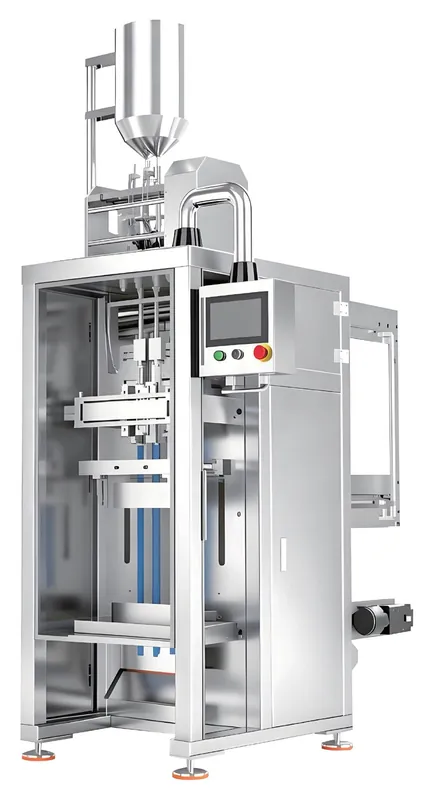
This page covers powder behavior and retail-bag configuration. Our coffee packaging machine range brings together the other formats, while instant coffee stick machines address narrow single-serve packs and lane output.
Dosing for ground coffee and soluble powders
Send representative samples of each grind or blend. Record target net weight, settled bulk density and any handling behavior observed during storage or transport. Keep the recipe and density range with the approved settings so operators can identify when another dosing review is needed.
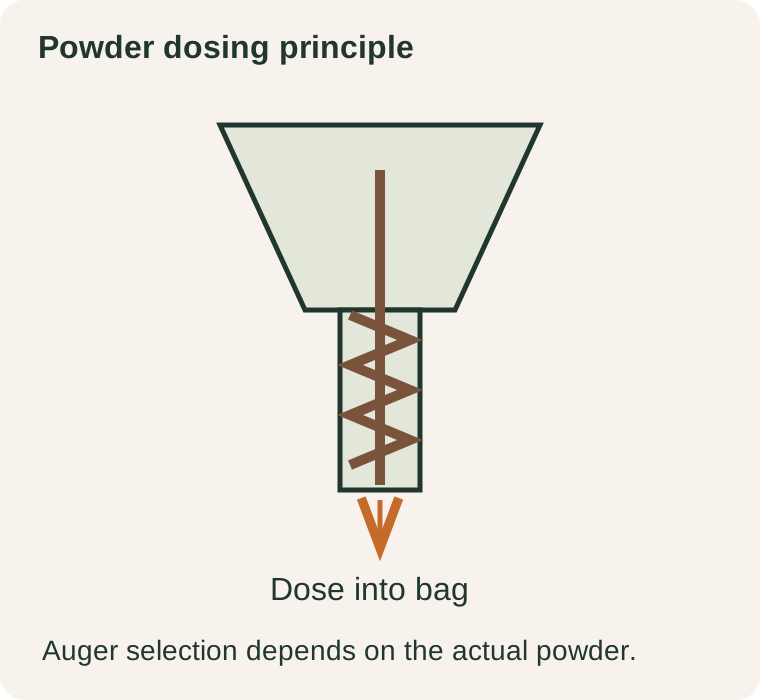
An auger meters powder through a rotating screw. Its geometry, feed consistency and operating settings must match the material. Confirm access for emptying and cleaning, particularly if flavored products share the line. LINEVO configures auger dosing and seal-zone extraction around the powder and packaging route. The proposal identifies the feeder, dosing unit and extraction equipment included.
Dosing, dust control and clean seals
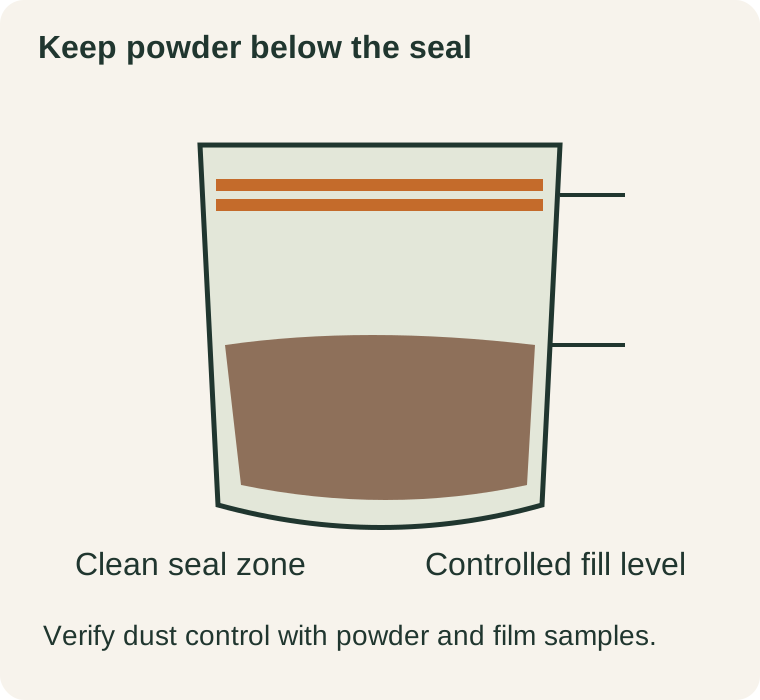
The filling sequence must leave time for the dose to clear the seal area. Ask the product trial to show the top of the filled bag and the finished seal, rather than only the conveyor output. Check what extraction removes and whether that product is discarded or handled separately.
| Packaging function | LINEVO configuration work | Trial observation |
|---|---|---|
| Consistent feeding | Match hopper refill and auger settings to the powder | Fill-weight variation through a refill |
| Clean seal area | Coordinate filling clearance and seal-zone extraction | Product clearance before sealing |
| Product flow | Select the dosing setup for the grind and recipe | Discharge behavior on representative product |
Use a practical acceptance threshold: visible powder crossing the intended seal band means the filling and dust-control setup needs adjustment before accepting that pack. The test plan sets the net-weight and seal acceptance criteria with your quality team. NIST Handbook 133 provides net-content inspection procedures, and ASTM F88 / F88M describes seal-strength measurement.
Bag formats and available routes
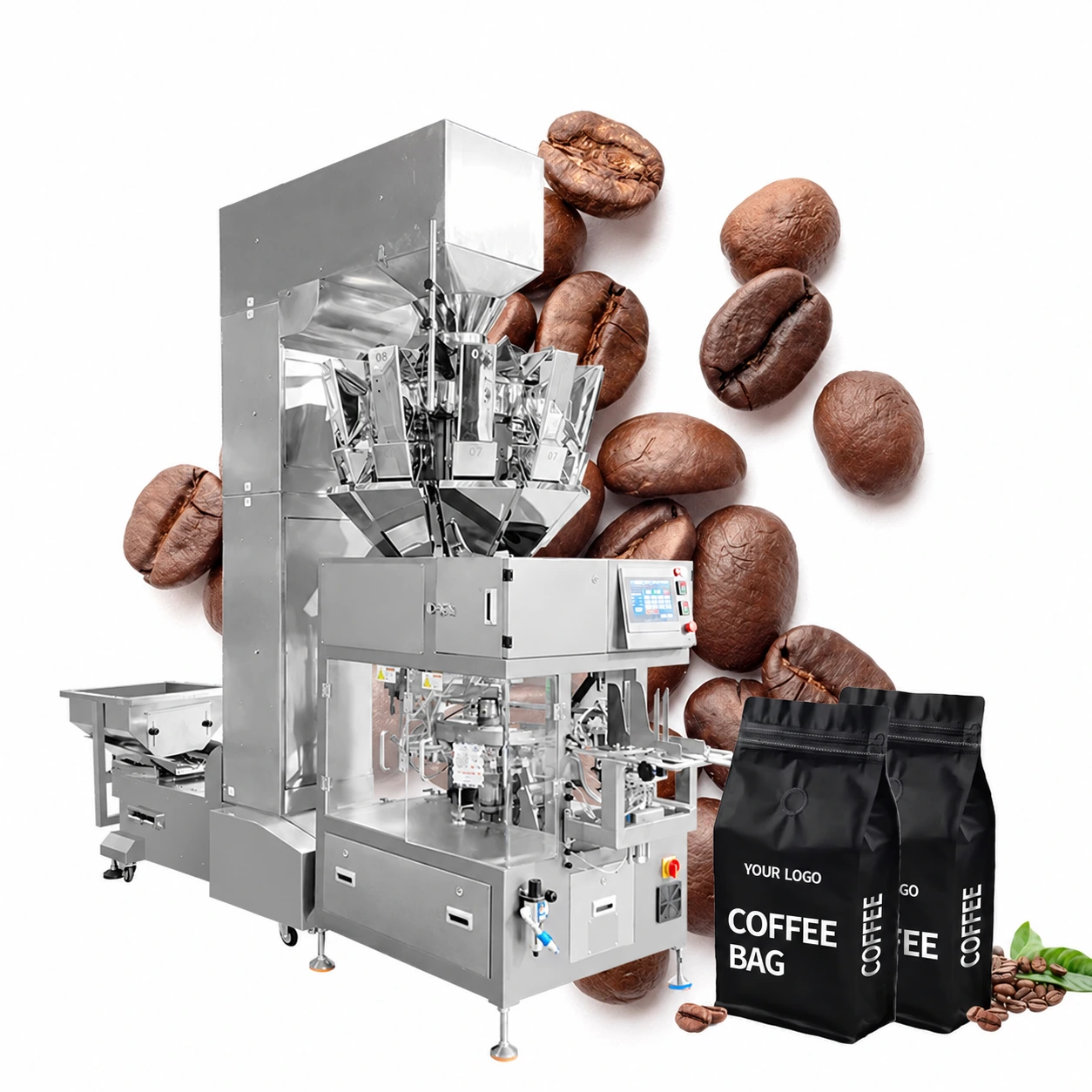
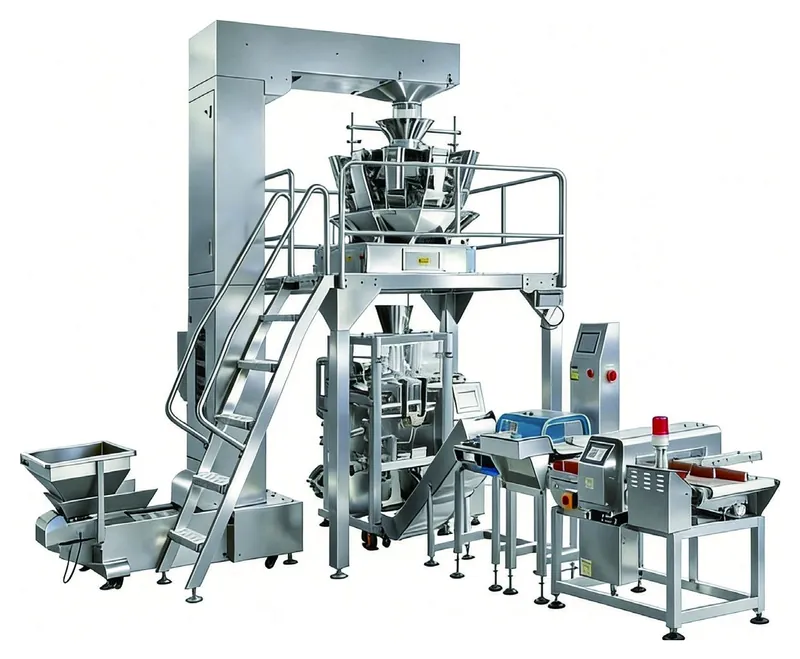
Select VFFS coffee packaging when the machine should form the bag from film. Review premade pouch equipment when the packaging arrives as individual finished pouches. A powder application still needs an appropriate filler, chute clearance and extraction scope on either route.
For nitrogen flushing, specify how the pack atmosphere will be measured and the acceptance target. Validate the selected film and finished pack as part of the product’s shelf-life work. Keep gas flow, sampling time and finished-pack measurements with the trial record so the result can be evaluated alongside the laminate specification.
Put product loss into the quotation comparison
Use giveaway kg = accepted packs × average excess g ÷ 1,000. Across a 10,000-pack production run, 1 g of average overfill consumes 10,000 × 1 ÷ 1,000 = 10 kg of coffee above target. Track that separately from powder collected by extraction, rejected bags and cleaning losses.
Compare offers using those loss categories, expected cleaning time, change parts and the utilities for the complete system. A larger output number can be less valuable if frequent product changes leave little running time. The machine quotation page explains how to define a comparable scope.
Prepare a powder packaging test
Start with the coffee or blend, a pack photo, target weights and required packs per shift. LINEVO identifies the dosing route and any product trial needed. Include your cleaning needs and any upstream or downstream equipment through the coffee packaging line brief. Request a powder configuration so dosing, extraction and sealing can be reviewed together.