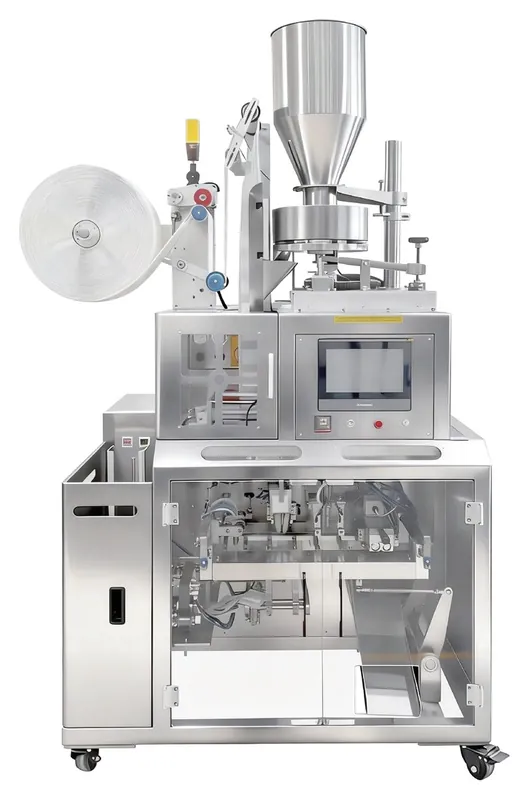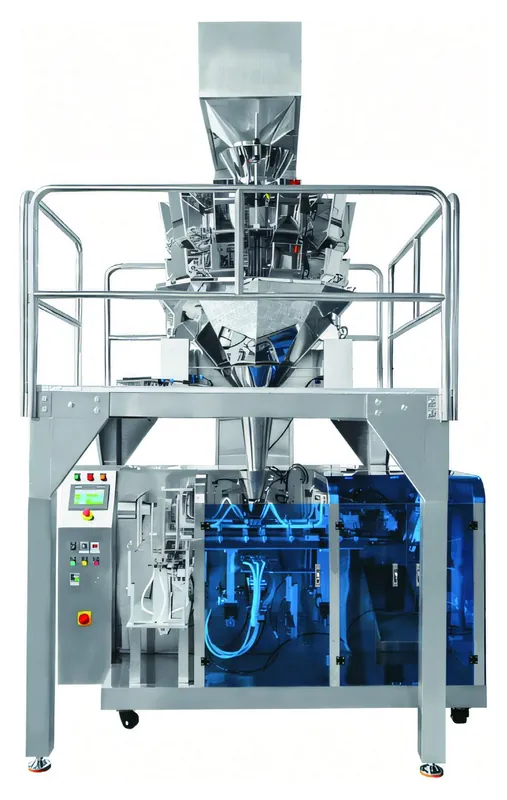
A coffee packaging line connects material feeding, dosing, primary packing and the agreed downstream operations. LINEVO’s coffee equipment range provides starting configurations for beans, powder, sticks and drip filters, with secondary-packaging equipment selected for the project. LINEVO develops the equipment list, layout and machine interfaces around your finished pack and required output.
Begin with the finished pack and compare the coffee packaging routes on our homepage. A roastery filling whole-bean bags has a different material path and handoff from a producer counting instant-coffee sticks into cartons.
Packaging line configurations
| Finished pack | Feeding and primary packing | Downstream scope |
|---|---|---|
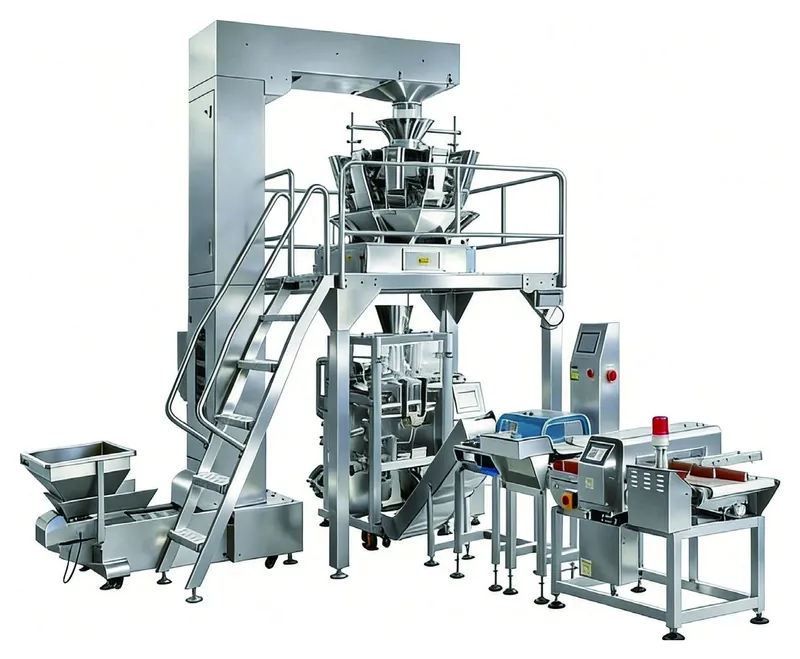
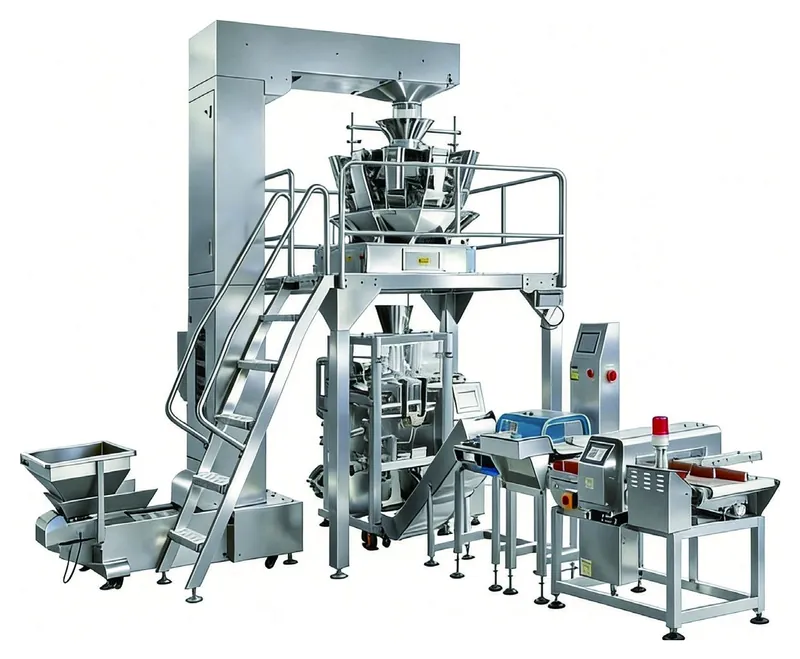
| Whole-bean retail bags | Product feeding, weighing and VFFS or premade pouch packing | Coding, inspection and discharge handling |
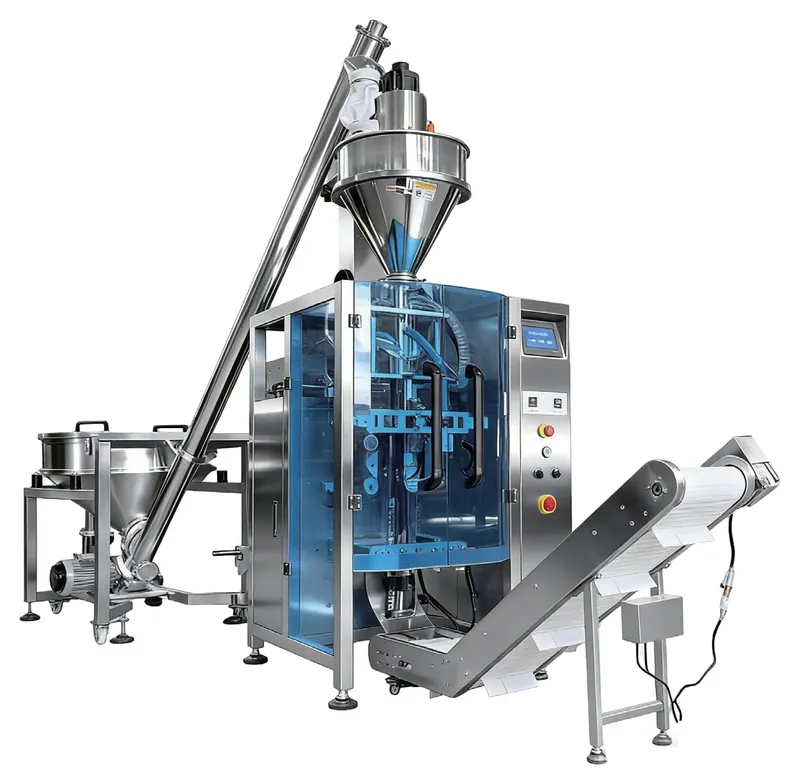
| Ground or instant coffee bags | Powder feeding, dosing and bag forming or pouch filling | Seal-zone extraction and selected inspection equipment |
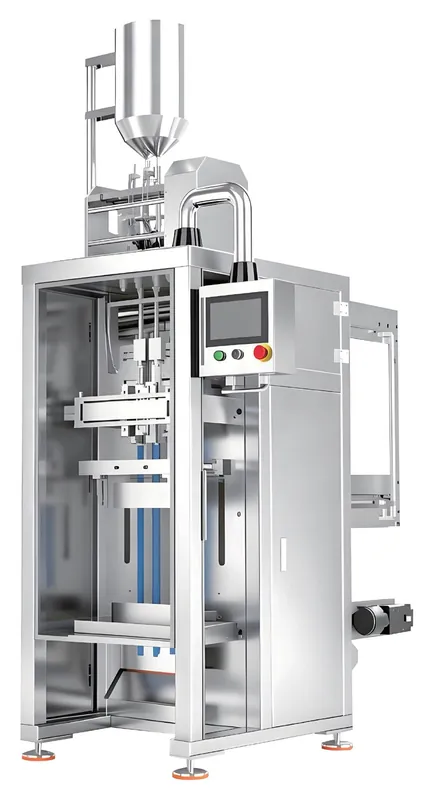
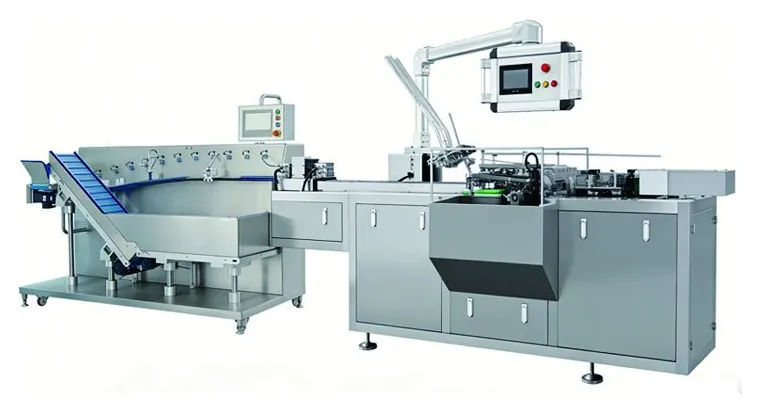
| Coffee sticks | Multi-lane dosing, forming, sealing and cutting | Collection, counting and cartoning where required |
| Wrapped drip filters | Ground-coffee dosing and inner-filter packing | Transfer, outer barrier pouch and finished-pack discharge |
Each proposal identifies the supplied modules and the connections to existing equipment. Options such as nitrogen supply, inspection and cartoning are itemized for the selected route.
Build around the pack and product flow
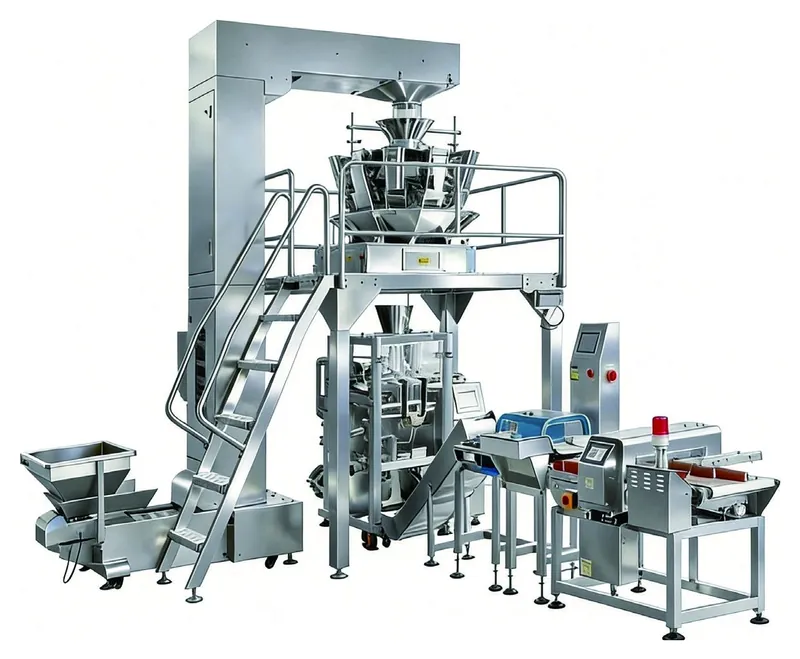
For beans, review feeding and weighing with the selected coffee bagging system. For ground or instant powder, define the feeding and dosing arrangement with the powder packaging configuration. Stick production needs its own lane and discharge specification; hanging drip filters need separate inner-filter and outer-pouch requirements.
The photographed bean-bagging system combines an elevator, weighing station, bagger and discharge equipment. LINEVO develops the layout with space for product loading, operator access and maintenance, and identifies platforms and downstream units in the supply list.
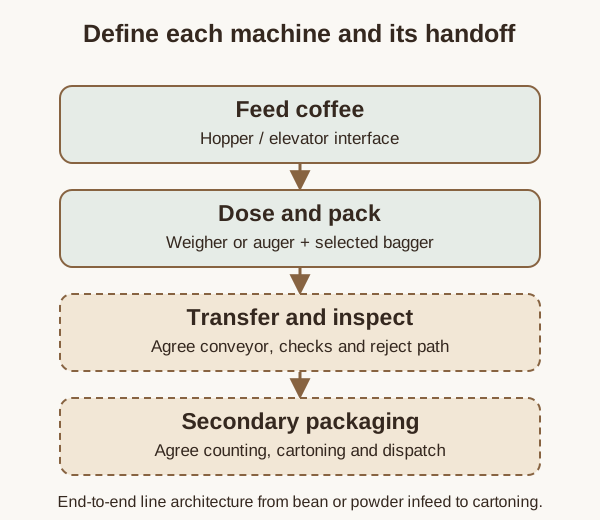
Assign responsibility at each connection
| Interface | Engineering definition | Integration checks |
|---|---|---|
| Feeder to dosing hopper | Refill control, material contact path and access | Refill signals and working hopper level |
| Primary packer to conveyor | Discharge height, pack orientation and stop signals | Transfer geometry and linked stop behavior |
| Inspection and rejection | Check method, reject device and record requirements | Detection, rejection and result recording during acceptance |
| Secondary packaging | Count per carton, carton size and loading method | Complete-carton count and output with the actual pack |
Inspection equipment, nitrogen supply, coding, cartoning and final dispatch handling need individual scope entries. Label each item as supplier-provided, customer-provided or excluded. Identify customer-owned roasting, grinding or blending equipment upstream, including discharge conditions and the handover to the packaging feeder.
Size the line by the slowest agreed stage
For stages expressed in the same finished-pack unit:
Theoretical line capacity = minimum capacity of the connected stages.
If an upstream bagger runs at 40 finished packs/min and the downstream cartoner runs at 30 finished packs/min, the connected line cannot exceed min(40, 30) = 30 finished packs/min before stops and rejects. Use your proposed machine rates for the final line calculation. If one stage is quoted in sticks/min and another in cartons/min, convert using the specified sticks per carton before comparing them.
When a downstream stage has lower sustained capacity than the upstream packer, a buffer can absorb short interruptions but cannot correct that sustained deficit. Agree how accumulation is limited and how machines restart without damaging packs.
Check layout, utilities and acceptance together
Provide a scaled room drawing showing doors, ceiling height, columns, drains and material access. Reserve space for film or pouch loading, cleaning, change parts, operator access and maintenance. LINEVO reviews electrical supply, control interfaces, compressed air and gas requirements for the connected equipment. IEC 60204-1 addresses machinery electrical equipment; the project specification identifies the applicable edition and destination requirements.
LINEVO can develop an acceptance plan with your team covering saleable output at final discharge, refill and changeover, and linked stop and reject functions. Compare the quotation scope and ownership costs, then send your pack samples, required output and room drawing for a defined equipment proposal.